





We use cookies to allow our website to work properly, personalize content and advertising, provide social media features and analyze traffic. We also share information about your use of our site with our social media, advertising and analytics partners
2022.01.27
Smart Manufacturing with 5G and AR
5G featuring higher data speed, massive devices connected, and low latency has been changing our lives significantly. Benefitted from the latest technologies, plenty of innovative solutions are developed. It can be applied to diverse applications and smart manufacturing with 5G/AR is one of them. Let us get deeper to it below.
2021.09.08
Explore applications of Edge AI at the factory
As our manufacturing advances into Industry 4.0 era, the machines used in manufacturing require increasingly more sophisticated control systems. It is not just digital transformation of manufacturing but improving the process by combining IT with the IoT, Edge AI, and 5G technologies to improve the process holistically and provide increased workplace safety. Edge Computing for AI in Smart Factory is important field that embodies these advances and hosts these new applications, such as Smart Processing, RTLS, Smart Predictive, and Smart Monitoring.
2021.07.30
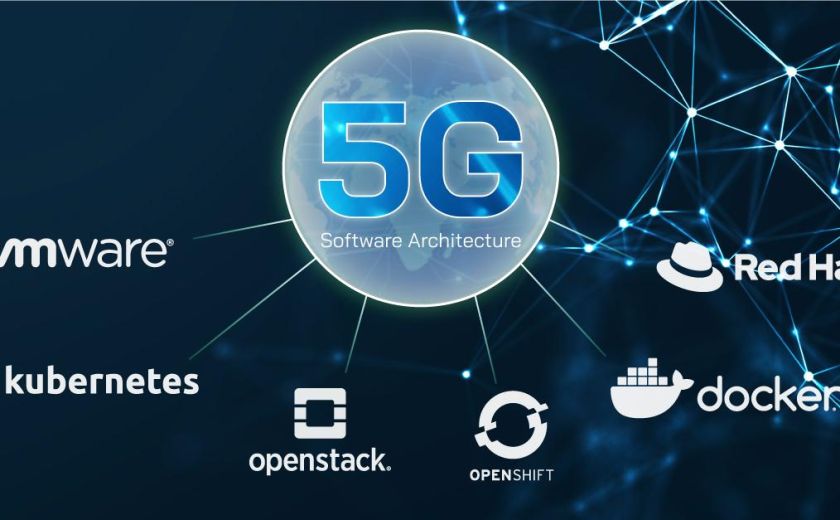
5g Software Architecture
Previously, we’ve looked at the hardware requirements of 5G. This week, we will take a look at the software infrastructure targeted for 5G deployments. There are published concepts and specifications by vendors like Intel and standards organizations such as O-RAN and OpenRAN.
2021.07.19
Redfish-Open Industry Standard Protocol
System management traditionally had relied on the venerable IPMI protocol standard established in 1998. Since then, there has been considerable advancement in technology and command-line tools fell out of favor as compared to modernized GUI that can visualize the process into an intuitive interface. Enter the Redfish specifications published by DMTF (Distributed Management Task Force).
2021.06.29
What is Edge AI?How about Edge AI applications?
Modern businesses have a growing reliance on smart applications that requires the power of an accelerator, such as a GPU, to instantly processes analytics or inference workloads. The local availability of GPU computing power provided by an edge server allows lowest latency to provide real-time inferencing to power your smart applications. This is Edge AI.